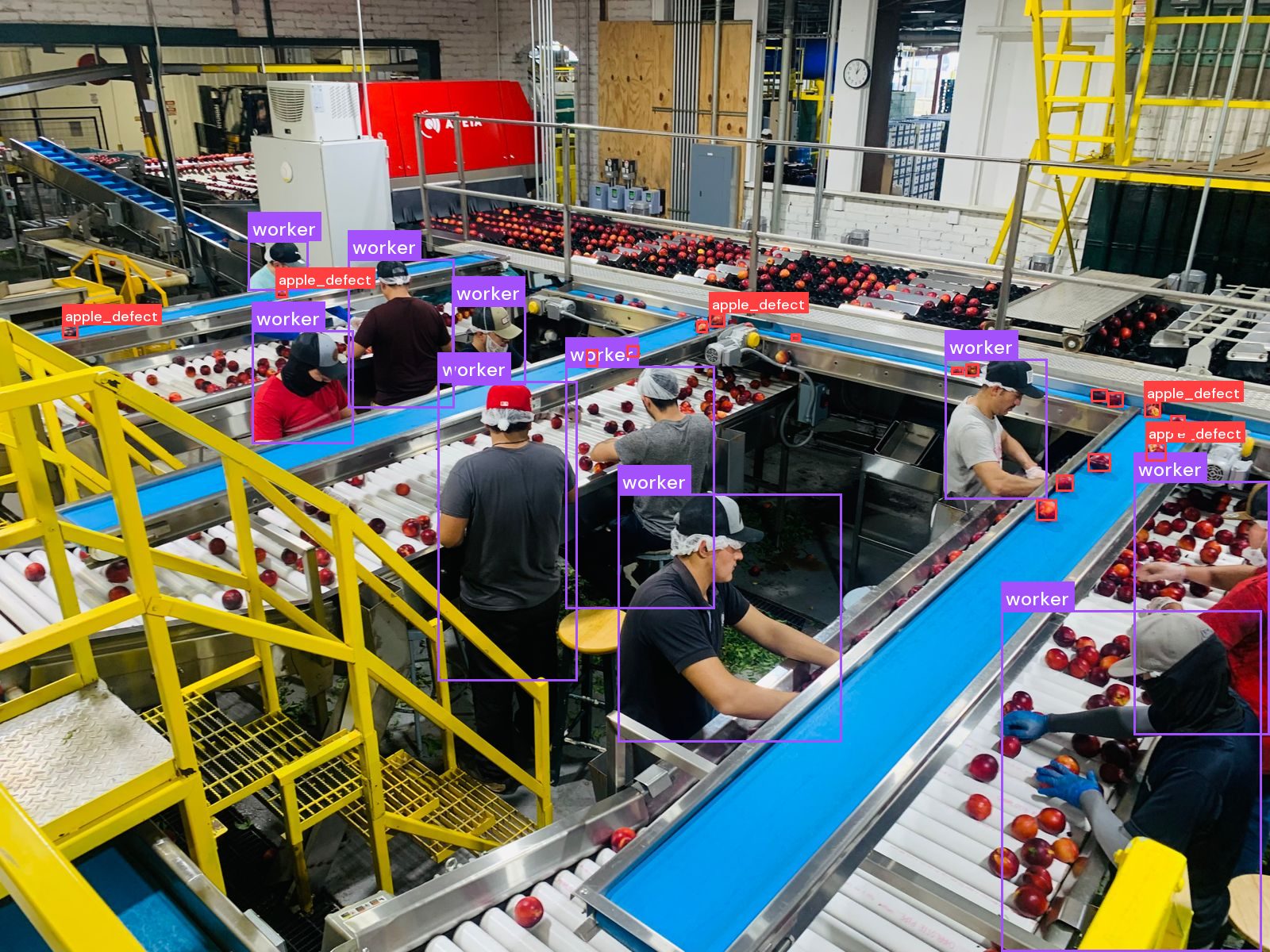
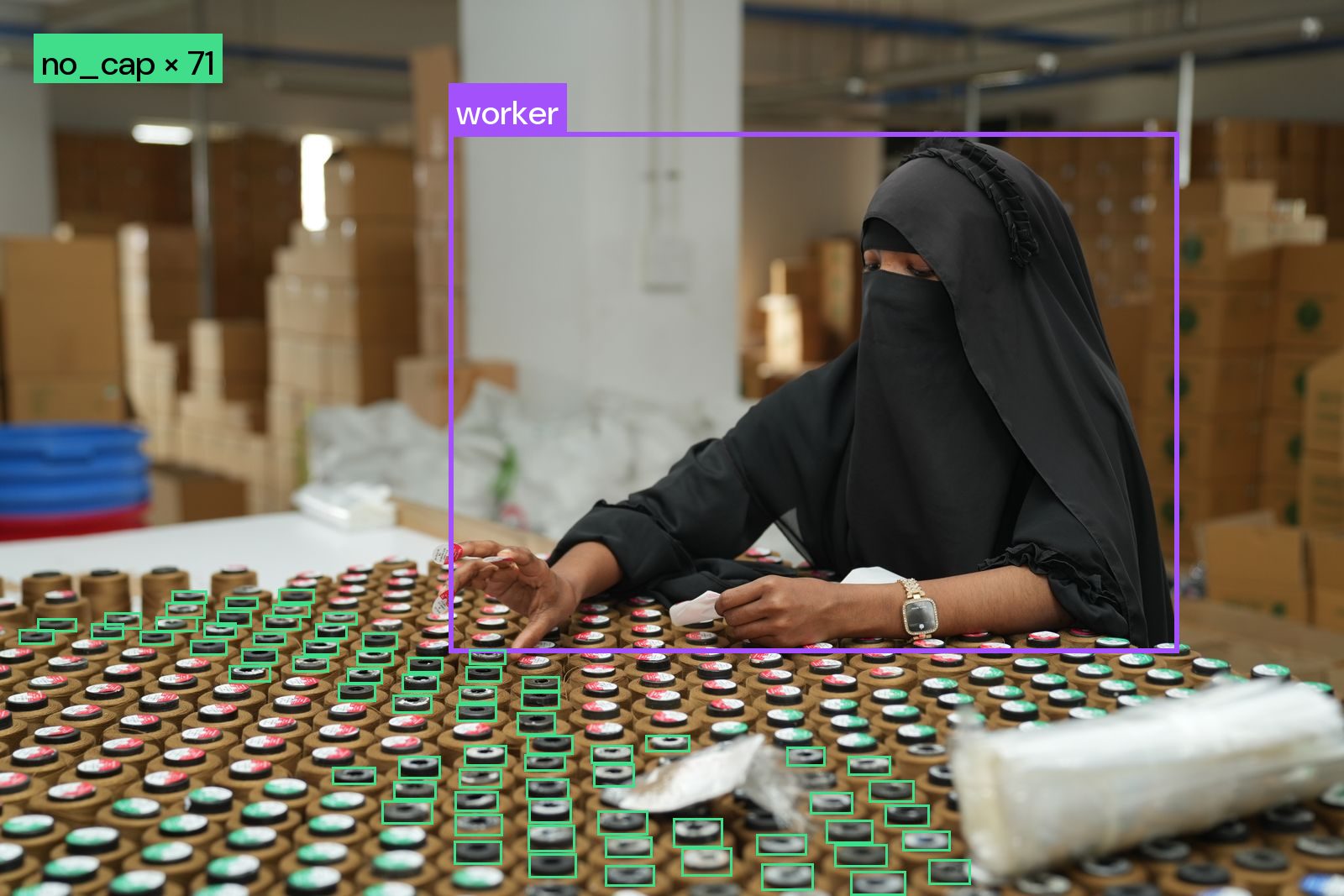
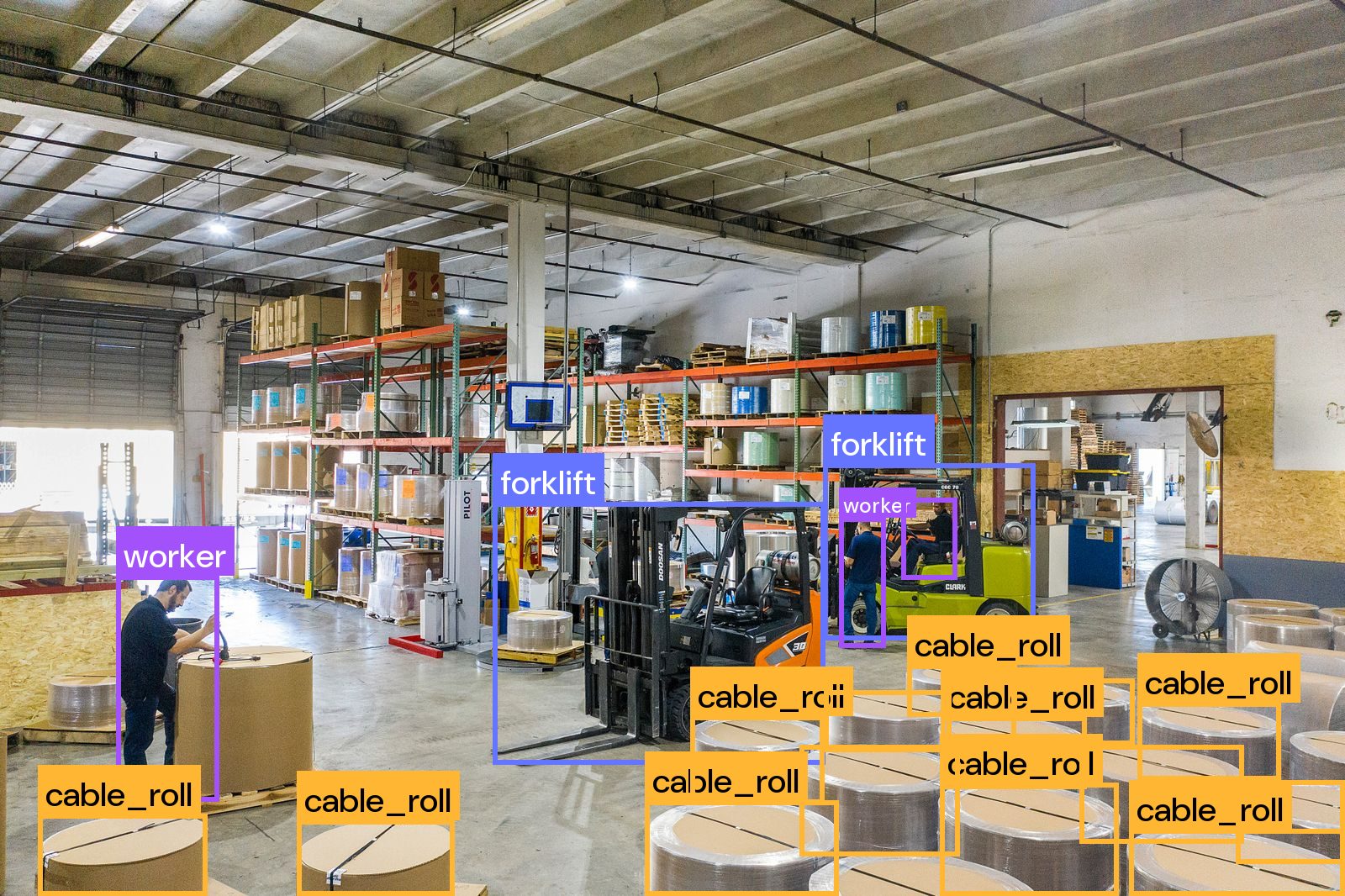
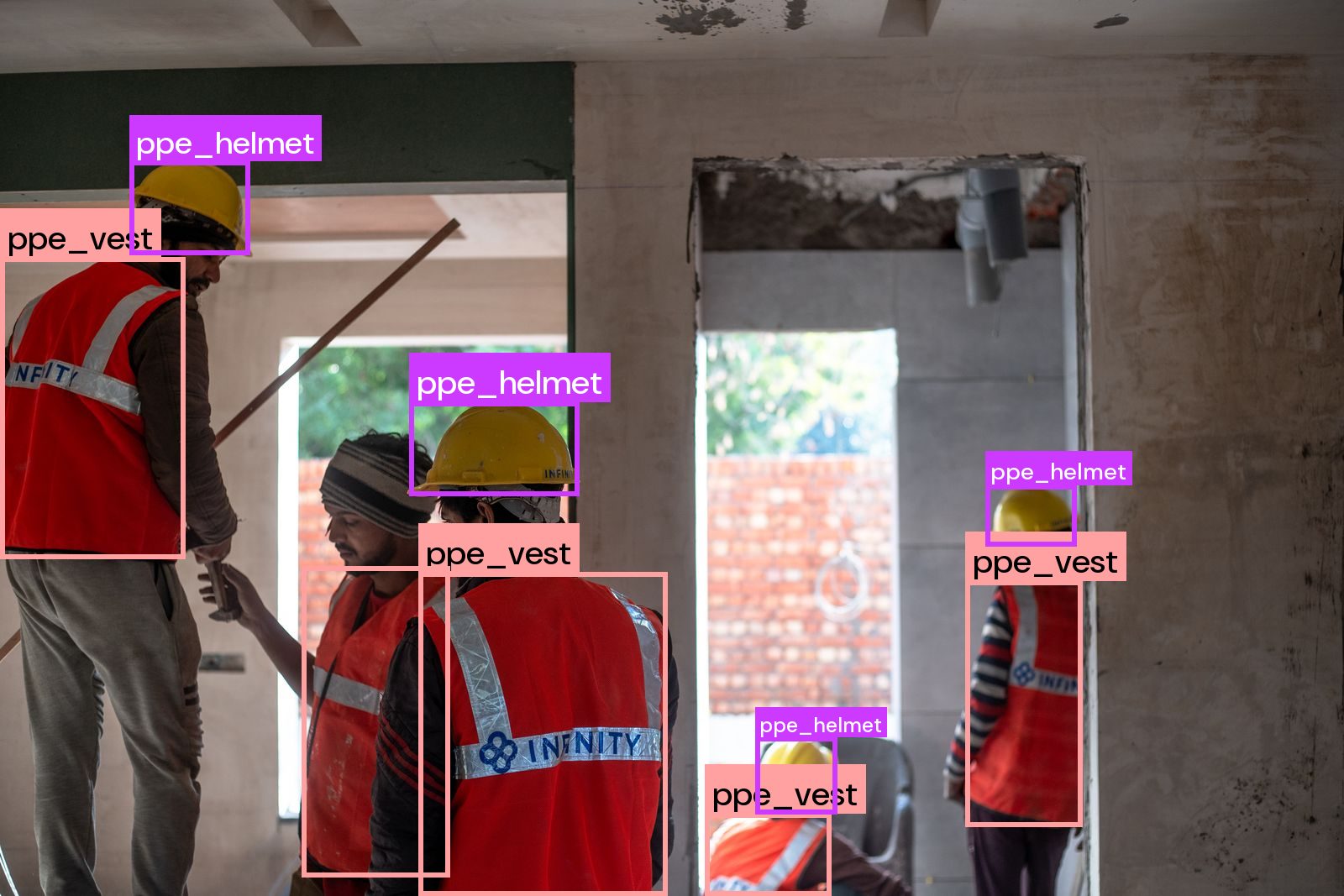
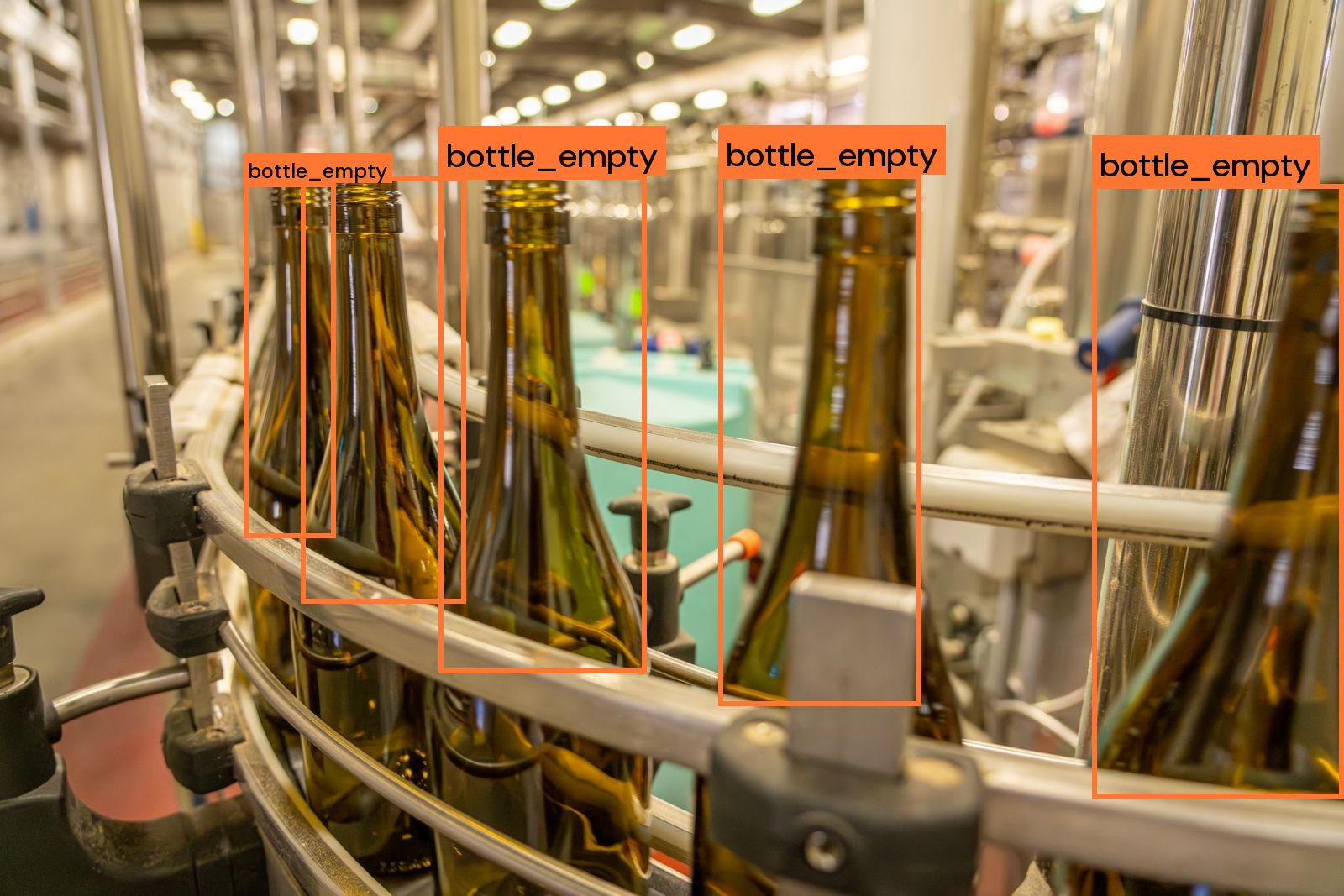
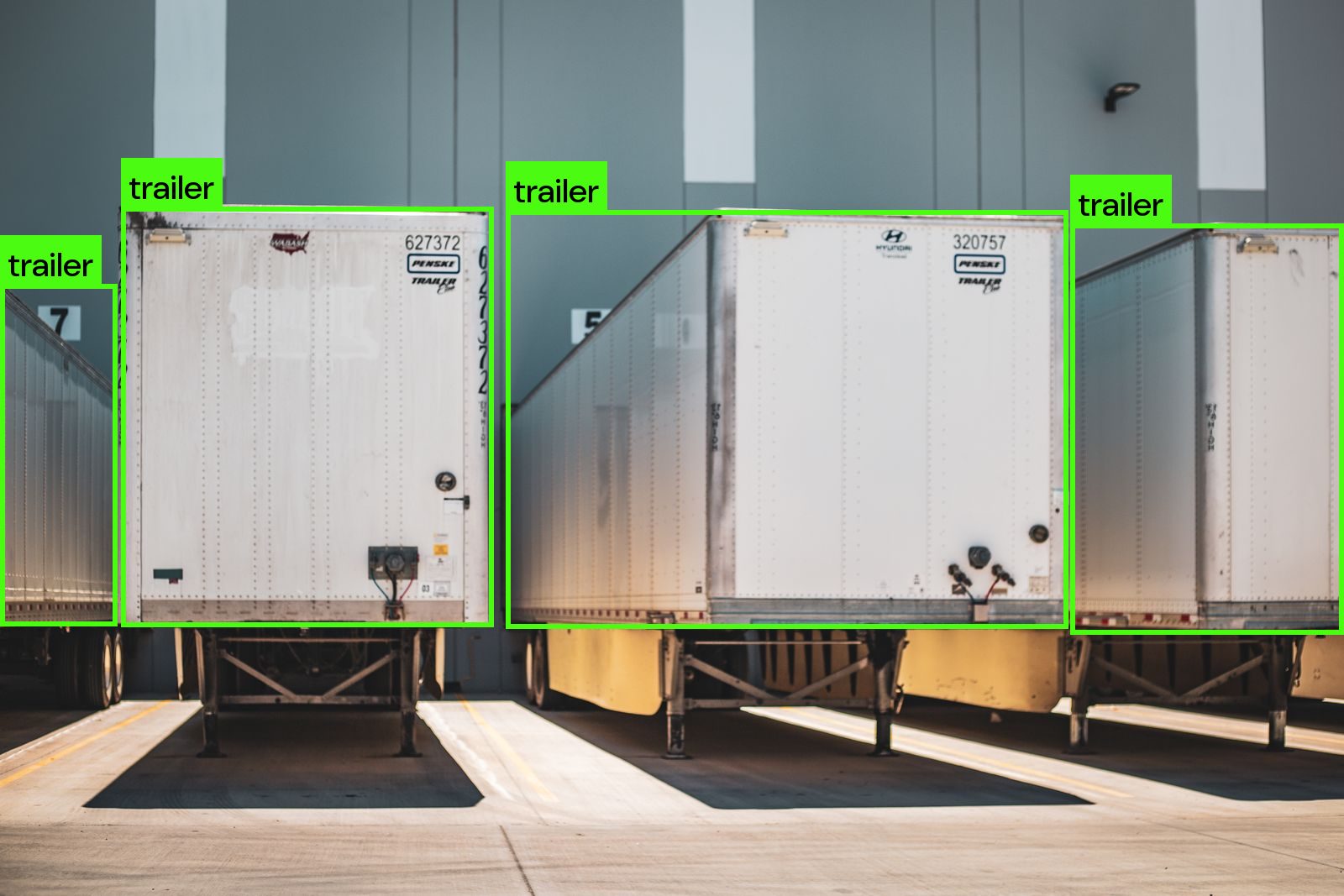
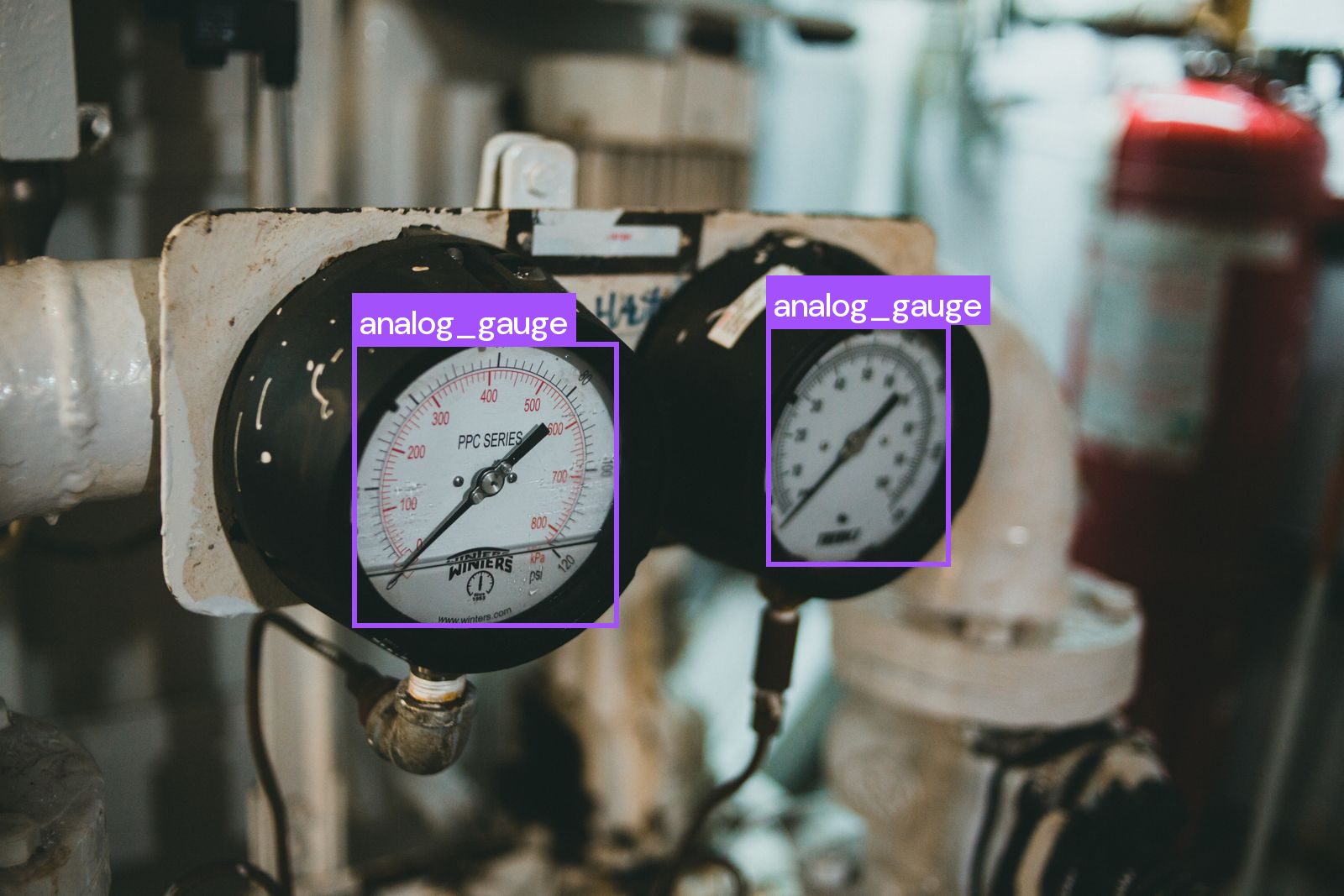
Cameras have become sensors for anything you can see: a reading on a gauge, a defect on a unit, a person where they shouldn't be, a truck at the wrong dock. Geigyr designs and deploys vision systems that turn seeing into action. The defect is rejected before it ships, the unsafe act is flagged while it still matters, the compliance record writes itself. Problems get caught while they are cheap to fix, and no one has to choose between running the operation and watching it.
We show it working on your operation before you commit.
Vision projects fail when the demo was someone else's factory. Send us footage of your operation (a phone video is enough to start) and we build a short demonstration of detection running on your product, your labels, your defects. You see what the system sees before you spend real money. No slideware, no stock footage.
What vision can do
If you can see it, computer vision can automate it.
Visual inspection & quality
Labels, date codes, fills, seals, welds, surface defects, assembly completeness. Any product with a visual standard to meet, checked on every unit at line speed instead of every hundredth by a tired pair of eyes.
Counting & tracking
Cases on a pallet, parts in a bin, pallets through a dock door, vehicles in a yard, people through an entrance. The counts that live on a clipboard or a clicker today, captured continuously and without gaps.
Safety & PPE compliance
Hard hats, vests, hairnets, and gloves in the zones that require them. Exclusion zones around moving equipment. The forklift near-miss nobody writes up. Continuous, even-handed, and documented.
Process verification
The line was cleared before changeover. The pallet was wrapped before it moved. The steps happened in the right order. Photographic proof of what your SOPs require and your auditors ask about, generated instead of initialed.
Site & yard activity
Trailers at the dock and how long they sat there, gates left open, deliveries arriving, vehicles that don't belong. What happened outside the building, answered from recorded fact instead of memory.
Reading the analog world
Gauges, dials, digital displays, levels in a sight glass. The instruments too old or too numerous to wire up, read by a camera instead and turned into live data with alerts and history.
How an engagement runs
Most of the work is not the AI. It is making the AI true on your floor.
1
Site assessment
We walk the line and deal with the physical facts first: lighting, glare, camera angles, line speed, washdown requirements, where a camera can physically live. Getting this wrong is why most vision projects stall at the pilot.
2
Data collection
A plan for capturing images of your product from the cameras that will actually run the system: the good, the bad, and the borderline. The model is only as honest as the examples it learned from.
3
Model development
Annotation, training, and testing against acceptance criteria we agree on up front: what must be caught, what false-reject rate the line can tolerate. You see the numbers, not a demo reel.
4
Deployment
The system runs where it makes sense: on an edge device at the line for real-time decisions, or in the cloud where latency doesn't matter. Industrial hardware, specified by us, owned by you.
5
Integration
A detection that nobody acts on is a screensaver. We wire results into your world: reject gates and stack lights through the PLC, alerts to the floor lead, records into your QMS, events into the same corrective-action workflows that run your monitoring.
6
Acceptance & the retraining loop
We prove the acceptance criteria on the live line, then stay on. Products change, packaging changes, seasons change the light through the windows. Keeping the model accurate over time is part of the service, not an upsell.
Straight answers
How the commercial side works.
You own the system.
You license the vision platform directly from the vendor and buy the cameras and compute on our bill of materials. No markup on hardware, no reselling, no lock-in to us. We are paid for making it work.
Implementation is the product.
We build on leading commercial computer vision platforms rather than research code, which means the model layer moves fast and keeps improving. What you are buying from Geigyr is everything the platform cannot do: the site assessment, the deployment, the integration, and the accountability.
Start with one camera.
The right first project is one check on one line with clear acceptance criteria, not a plant-wide vision program. Prove it, then expand to the next check with the same infrastructure.
Why Geigyr
Vision that survives contact with the real world.
We work on your floor, not from a browser.
Camera placement, lens choice, the glare that only shows up at 3 p.m. Vision systems live or die on physical details you cannot fix remotely. We are local to NJ, NY, and CT, and we come back when something changes.
Plant systems are not an afterthought.
Thirteen years in industrial data platforms before computer vision. PLCs, MQTT, historians, quality systems, alerting chains: the plumbing a detection has to reach before it is worth anything.
Accuracy is maintained, not assumed.
Every vision model drifts as products and conditions change. The retraining loop is built into the engagement from day one: new examples, updated model, re-verified accuracy.
Your people stay in charge.
Vision flags; your team decides. Detections route to operators and quality staff with the image attached, and anything that touches your compliance records goes through the same rule-based documentation chain as our monitoring systems.
Have a vision project in mind?
Tell us what you wish you could achieve. If a camera can see it, we'll show you, on your own footage, before you commit to anything.